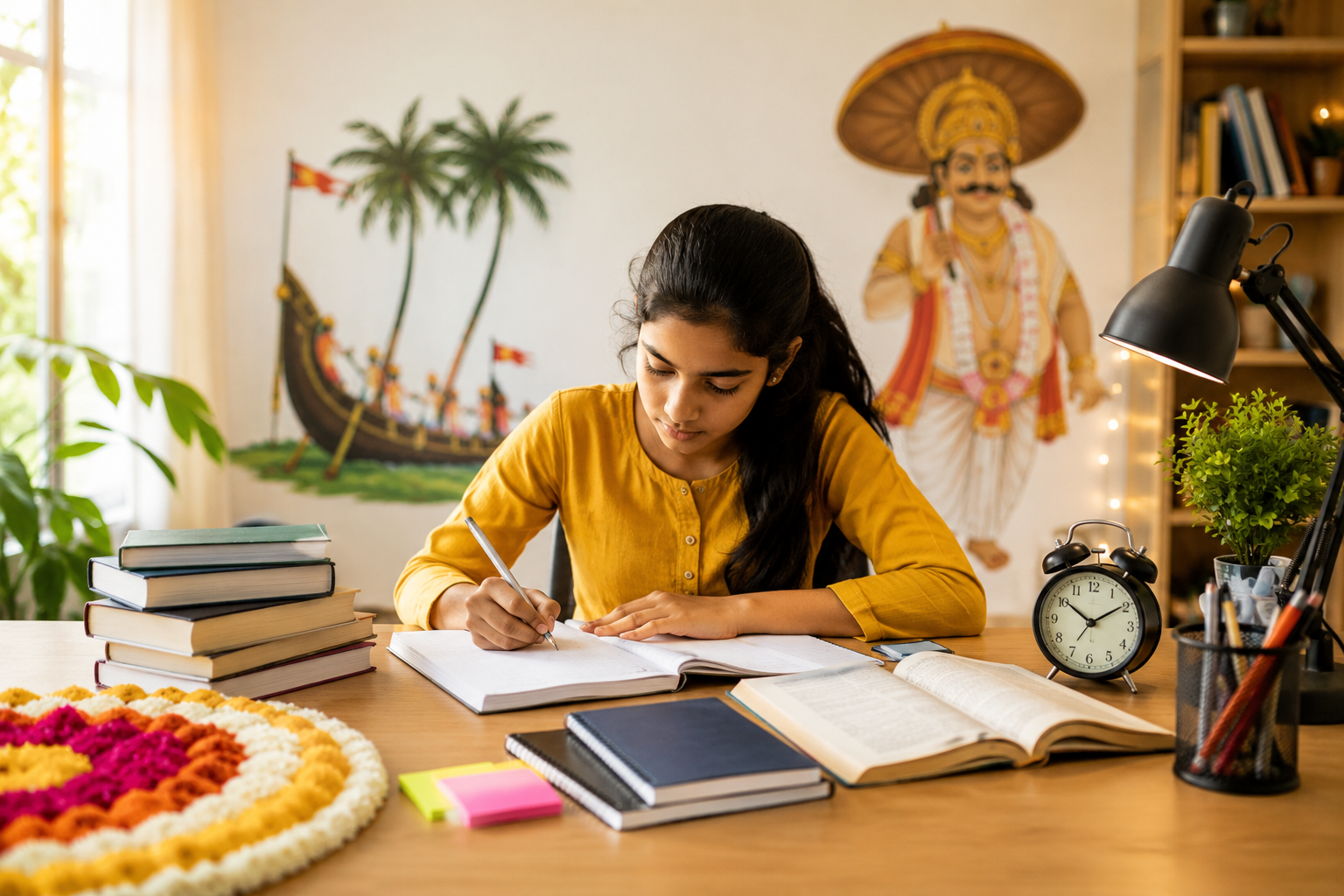
The Impact of Comparisons by Parents and Teachers on Students
What to Do If Your Child’s Grades Disappoint You?
March 26, 2025Easy Ways to Overcome Math Fear in 10th Grade
April 4, 2025In every classroom, there’s a student who’s praised for scoring high. And in every home, there’s a conversation that starts with, “Look how well they are doing.” While comparison might seem like motivation, for many students, it creates silent pressure and emotional stress.
At New10s, we believe that every student is unique—with their own pace, strengths, and style of learning. Comparing students, even with good intentions, can cause more harm than good. Let’s explore how.
Why Do Parents and Teachers Compare Students?
Comparison usually stems from a desire to push children to do better. Many parents and teachers believe that by pointing out someone else’s achievement, they’re setting a benchmark. But often, they forget:
- Every child’s learning journey is different
- Strength in one subject doesn’t define overall ability
- Constant comparison can damage confidence rather than build it
What starts as motivation often turns into discouragement.
The Psychological Impact of Comparisons
Whether it’s in academics, sports, or personality, regular comparison can deeply affect a student’s mental well-being:
1. Lowered Self-Esteem
When a student is constantly told, “Why can’t you be like him/her?”, they begin to feel less capable. This can lead to:
- Lack of confidence
- Fear of trying new things
- Self-doubt in their abilities
2. Performance Anxiety
Students under pressure to meet unrealistic expectations may:
- Feel anxious before exams
- Struggle with concentration
- Fear making mistakes
At New10s, we help students build confidence through personalised attention and a supportive environment—so they learn without fear.
3. Loss of Interest in Studies
When students feel like they’ll never be “good enough,” they may stop trying altogether. Learning turns into a burden rather than a joy.
Real Voices, Real Struggles
Many students at New10s share stories of how comparisons affected their motivation. One student said:
“I used to be excited to learn Math, but after being told I’m not as good as my cousin, I started avoiding it. At New10s, my tutor helped me fall in love with the subject again—at my pace.”
What Should Parents and Teachers Do Instead?
Here are some healthy and effective alternatives to comparison:
1. Celebrate Effort, Not Just Results
Instead of saying, “You didn’t score as much as Arjun,” try “I saw how hard you worked for this exam—great effort!”
At New10s, we reward progress, not perfection.
2. Set Personal Goals
Encourage students to beat their own previous scores rather than someone else’s.
Our tutors help students track their academic growth with individualised plans.
3. Focus on Strengths
Every student is good at something—be it writing, problem-solving, or creativity. Highlight their strengths and help them build on them.
4. Open Conversations
If you feel your child isn’t performing well, ask why, not who is doing better. Understanding the root cause is far more helpful than applying pressure.
How New10s Helps Create a No-Comparison Learning Space
At New10s, we’ve designed both our online and offline classes around one core belief: Every student deserves respect and support, not comparison and pressure.
We offer:
- One-on-one sessions to focus on individual learning styles
- Personalised feedback rather than ranking students
- Progress tracking that helps students compete only with themselves
- Emotional support from mentors who understand student psychology
Whether a child is a topper or a slow starter, our goal is the same—to help them realise their own potential.
Final Thoughts
Comparing students may seem like a shortcut to motivation, but it can leave behind long-term scars. Confidence is built with encouragement, not pressure.
If you’re a parent or teacher reading this, remember: your words shape a child’s self-image. At New10s, we partner with families and schools to create a growth-focused, comparison-free learning space.